Xander: Graffiti Lettering for Real Projects
As a designer who’s spent years working with machine embroidery designs, I’ve seen my fair share of digital files that look great on screen but fall apart in real use. Xander is one of the few that actually delivers on its promise. This graffiti lettering typography art illustration is more than just a graphic—it’s a design that feels alive, ready to be stitched into something meaningful.
The First Impression: Bold, Unapologetic, and Visually Strong
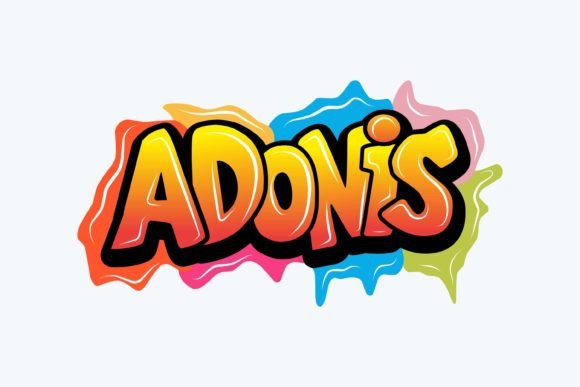
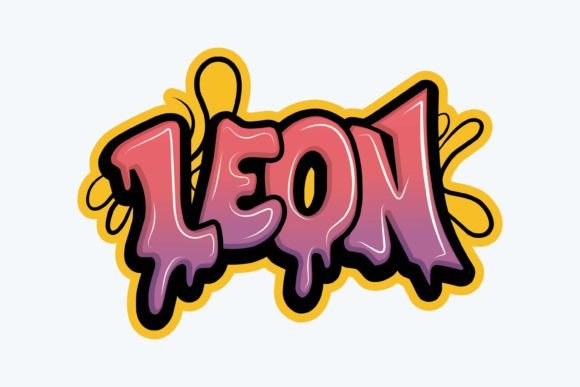
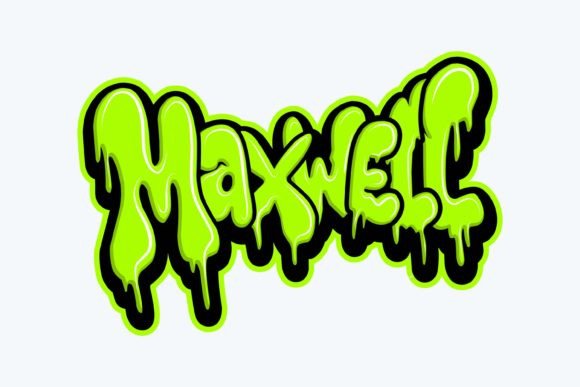
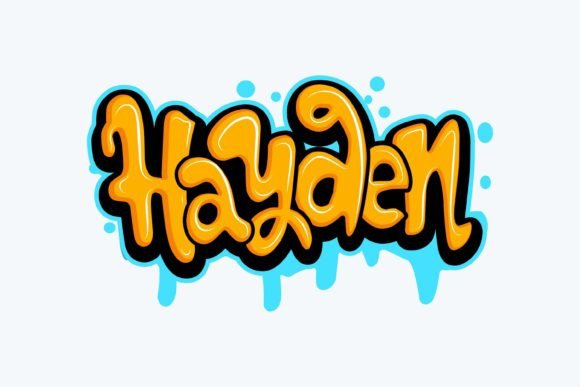
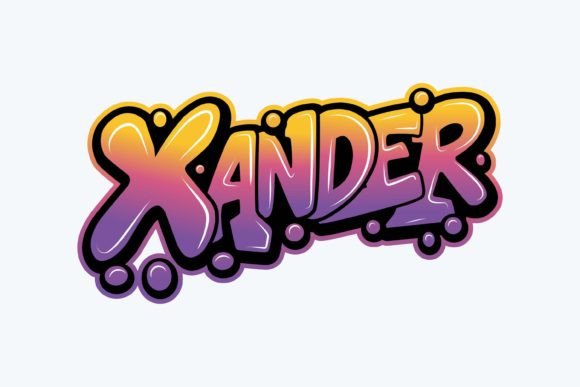
Xander immediately grabs attention with its raw, edgy aesthetic. The lettering is thick, confident, and layered with a sense of movement that feels almost like it’s jumping off the page. It’s not subtle, and that’s exactly what makes it so effective. The layout is clean but dynamic, with enough detail to stand out without becoming overwhelming. This isn’t a design meant for minimalist spaces—it’s for projects that need to make a statement.
The visual personality of Xander leans into urban culture, making it a natural fit for custom apparel, streetwear, and bold home decor. It’s the kind of design that could turn a simple tote bag into a conversation starter or a plain sweatshirt into a standout piece.
Real-World Embroidery Use Cases
When I first opened Xander, I imagined how it would translate to an actual embroidery project. Let’s say I’m working on a custom embroidered tote bag for a client who wants something unique. Xander would work perfectly here. The design is large enough to be visible but doesn’t require an overly big hoop. It’s also detailed enough to add visual interest without being too dense for a machine to handle.
I can see this design shining on a sweatshirt, especially if the client wants something that stands out in a crowd. It also has potential for baby items, like onesies or blankets, where the boldness of the letters can be both fun and functional. For a craft business, Xander could be a strong addition to an Etsy shop, especially if paired with other graffiti-themed graphics.
Where Xander Excels in Embroidery Projects
Xander is well-suited for a variety of applications, from personalized gifts to commercial embroidery. Its vector format means it’s fully editable, which is a huge plus for designers who want to tweak the design for different fabric types or color schemes. The availability of AI, EPS, and SVG files ensures compatibility across most design software, making it easy to integrate into existing workflows.
For an applique design, Xander’s thick lines and sharp corners would hold up well. The stitch density is balanced—enough to create a solid look without being too heavy. If used as a satin stitch or fill stitch, it would maintain clarity even on larger areas. It’s also versatile enough to work with both light and dark fabrics, though contrast between thread colors and fabric background should always be tested.
Where to Be Careful With Xander
While Xander is a strong design, it’s not without limitations. On small hoop sizes, some of the finer details might get lost, especially around the edges of the letters. Thin or stretchy fabrics could also pose a challenge, as the design may not sit flat or could pucker during stitching. Dark fabrics might require a white underlay to ensure visibility, and textured materials could affect the overall appearance.
For curved surfaces like caps or hats, Xander’s straight lines might not follow the contour as smoothly as a more fluid design. Tiny lettering or intricate details in the corners could also be problematic if the hoop size is too small. It’s important to test the design on scrap fabric before committing to a final project.
How Xander Affects Visual Appeal and Customer Perception
One of the biggest advantages of Xander is how it elevates the visual appeal of any product it’s applied to. Whether it’s a handmade pillow cover or a commercial t-shirt, the design adds a level of sophistication and uniqueness that customers will notice. It’s the kind of design that can make a small business product feel more premium, increasing perceived value and customer trust.
For a craft business or Etsy seller, Xander could be a valuable asset. Its bold style makes it highly recognizable, which is great for branding. It also works well for personalized gifts, where the design can be customized to match a client’s preferences. The ability to edit the file means you can tailor it to different occasions, from holiday gifts to wedding favors.
Practical Designer Notes for Using Xander
If you’re planning to use Xander in your next embroidery project, there are a few things to keep in mind. First, always test the design on scrap fabric before using it on a finished product. This helps identify any issues with stitch density, stabilizer use, or thread color contrast. It’s also a good idea to review the design in black and white mockups to see how it looks on different backgrounds.
Check whether the design works for both personal and commercial use, and confirm the licensing terms before selling anything. Make sure the hoop size is appropriate for the design’s dimensions, and use the right stabilizer for the fabric type. For delicate or stretchy materials, extra support may be needed to prevent puckering or distortion.
Final Thoughts: Xander as a Versatile Embroidery Asset
Xander is more than just a graffiti lettering design—it’s a practical tool for designers and makers who want to create eye-catching, high-quality embroidered products. Its bold style, editable format, and compatibility with multiple file types make it a valuable addition to any digital design library. Whether you’re working on a custom apparel project, a handmade gift, or a commercial embroidery order, Xander has the potential to elevate your work and set it apart from the competition.
As with any embroidery file, success depends on proper preparation and testing. But if you take the time to understand how Xander performs in different scenarios, you’ll find it to be a reliable and creative asset for your next project.