Hayden: Graffiti Lettering for Real Projects
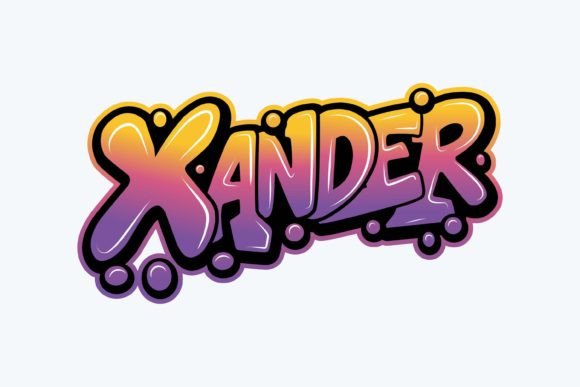
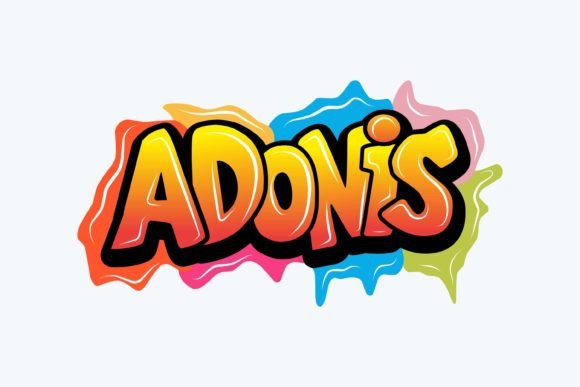
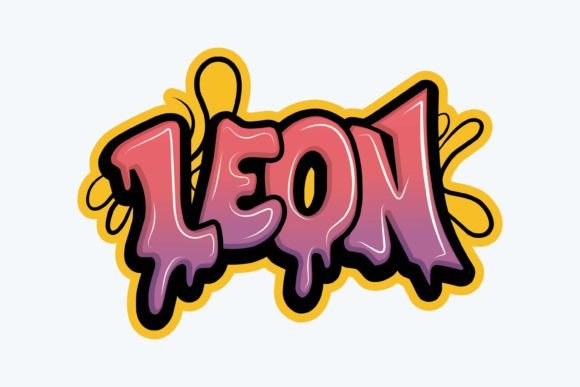
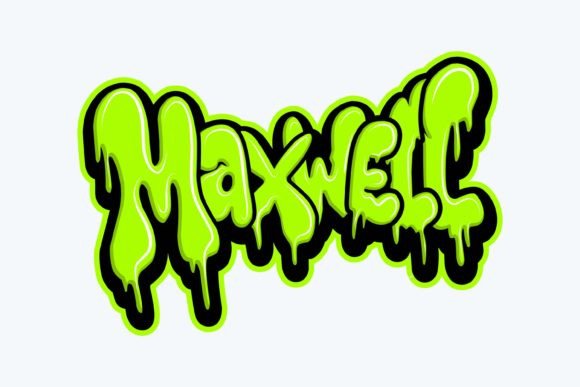
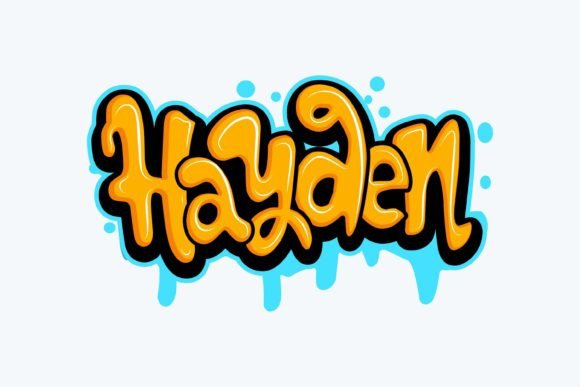
As a designer and embroidery product reviewer, I’ve seen my fair share of digital files. But Hayden stands out as a design that feels both bold and practical—perfect for real-world embroidery projects. Its graffiti lettering typography art illustration offers a raw, edgy aesthetic that can elevate everything from custom apparel to handmade gifts. Let’s dive into how this design performs in actual use.
The First Impression: A Design That Speaks Boldly
From the moment I opened Hayden, it felt like a statement. The graffiti-style lettering has a confident, urban vibe that doesn’t shy away from attention. The layout is clean but impactful, with enough detail to make it visually interesting without being overwhelming. It’s the kind of design that works well on t-shirts, tote bags, and even baby onesies—though the latter might need some thoughtful adaptation.
The theme is modern and versatile, fitting well with streetwear, casual fashion, and even boutique branding. It’s not the kind of design you’d use for something delicate or traditional, but for a bold, contemporary look, it hits the mark.
Real-World Embroidery Use Cases
Hayden is ideal for custom apparel, especially when working on sweatshirts, t-shirts, and tote bags. Its vector-based format makes it easy to scale and edit, which is a huge plus for designers who want to tweak sizes or colors before stitching. The 100% editable vector file means I can adjust the lettering, add accents, or modify the layout without losing quality.
For small business owners and Etsy sellers, Hayden could be a great addition to a line of printable mockups or digital design assets. It’s also suitable for embroidered patches, aprons, and even kitchen towels. The design’s structure allows for clear stitching, making it a solid choice for both personal and commercial projects.
One thing to note is that Hayden’s style may not work well on very small hoop sizes. If you’re planning to use it on a cap or a small patch, you’ll need to ensure the hoop size is large enough to accommodate the design’s details. Otherwise, the intricate parts might get lost in the stitching.
Where to Be Careful: Limitations and Considerations
While Hayden is strong in many areas, there are some situations where it requires extra care. For example, on textured fabrics or thin materials, the design might not sit as smoothly as expected. Stretchy or dark fabrics could also affect the visibility of the thread colors, so testing on scrap fabric is always a good idea.
Small details, like the corners of the letters, might not hold up as well on curved surfaces like caps. If you’re planning to use Hayden on a hat, consider adjusting the design slightly or using a stabilizer to help maintain the integrity of the stitches.
Dense stitch areas could lead to puckering if not handled properly. It’s important to check the stitch density and make sure the design is optimized for your embroidery machine. Also, if you’re planning to use Hayden on a product that will be washed frequently, ensure the design is secure and won’t fray over time.
Impact on Visual Appeal and Customer Perception
When it comes to visual appeal, Hayden delivers. Its graffiti style adds a unique edge that can make a product stand out in a crowded market. Whether it’s a custom sweatshirt or a personalized gift, the design has the potential to capture attention and spark interest.
Stitching clarity is another key factor. With proper setup, Hayden should come out clean and sharp. However, if the design isn’t optimized for your machine, it could result in a less-than-perfect finish. This is why testing on different fabrics and thread colors is essential.
From a customer perspective, a well-executed Hayden design can enhance the perceived value of a handmade product. It adds a professional touch that makes the finished item feel more premium. For small shop products or Etsy listings, this kind of design can make a big difference in buyer engagement and trust.
Practical Designer Notes: What to Check Before Using Hayden
Before jumping into an embroidery project with Hayden, here are a few things I recommend checking:
- Test on scrap fabric to see how the design looks in real life.
- Check thread color contrast against the fabric to ensure visibility.
- Review stitch density to avoid puckering or distortion.
- Confirm hoop size to make sure the design fits comfortably.
- Inspect small details for any potential issues during stitching.
- Test in black and white mockups to see how it translates without color.
- Compare light and dark fabric backgrounds to ensure the design adapts well.
- Use proper stabilizer for textured or stretchy fabrics.
- Confirm licensing before selling finished items or digital products.
These steps can help ensure that Hayden turns out exactly as intended, whether you're creating a custom apparel piece, a personalized gift, or a digital design asset for resale.
Final Thoughts: A Design That Works When Used Right
Hayden is a strong, versatile design that has the potential to shine in a variety of embroidery projects. Its graffiti lettering style is eye-catching and modern, making it a great fit for t-shirt designs, custom apparel, and handmade products. However, like any machine embroidery design, it requires careful consideration of factors like fabric type, hoop size, and stitch density.
For designers, crafters, and small business owners, Hayden is a valuable addition to your design library—especially if you’re looking for something that can add personality and flair to your work. Just remember to test it thoroughly and tailor it to your specific needs before finalizing any project.