Jayce: Graffiti Lettering for Real Projects
As a designer and embroidery product reviewer, I’ve seen my fair share of digital files that look great on screen but fall apart in real-world use. Jayce, a graffiti lettering typography art illustration, caught my eye for its bold style and versatility. But before I recommend it to clients or use it in my own projects, I need to understand how it performs in actual embroidery situations.
First Impressions: Bold, Edgy, and Ready to Stitch
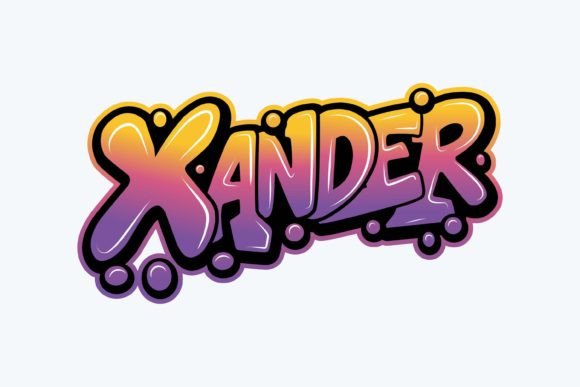
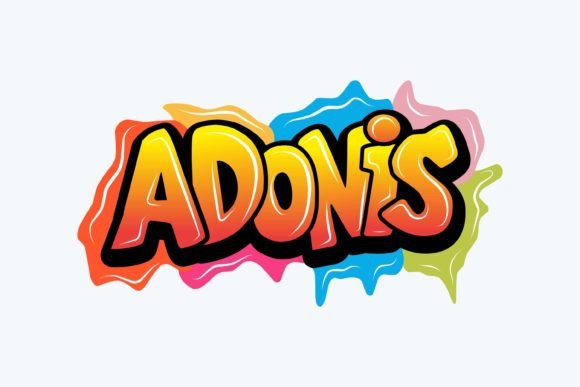
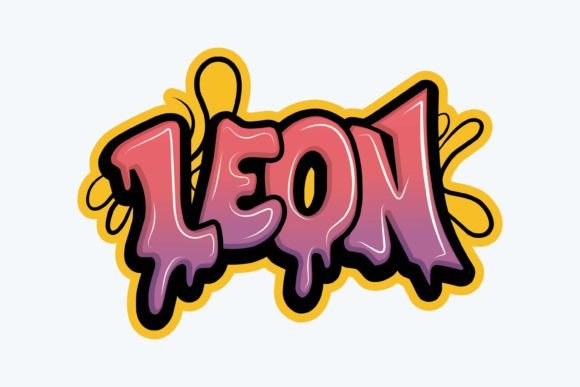
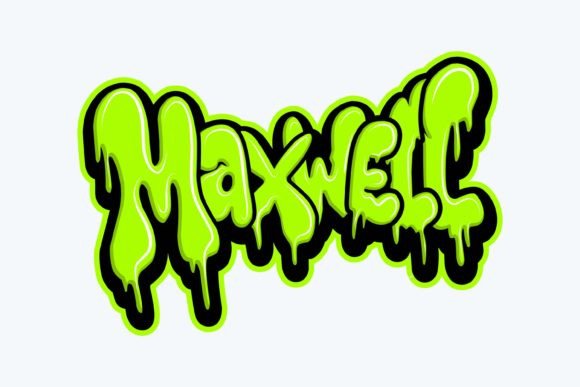
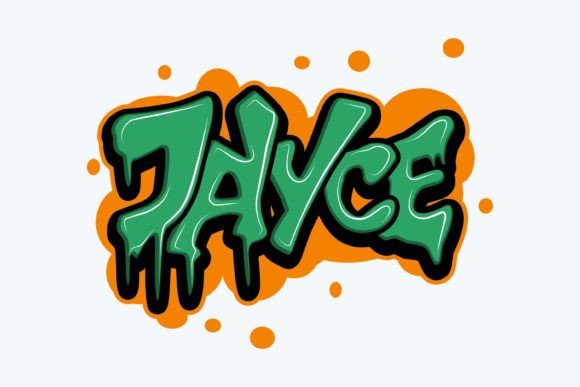
Jayce immediately conveys a sense of urban energy. The lettering is sharp, with a graffiti aesthetic that feels authentic and modern. The layout is clean, making it easy to adapt for different applications. It’s not overly complex, which is a plus for embroidery—less detail means fewer potential issues during stitching.
The design has a strong visual personality. It’s ideal for custom apparel, especially t-shirts, sweatshirts, and tote bags. Its graphic nature makes it stand out without being overwhelming. If you’re looking for something that can be both a statement piece and a subtle accent, Jayce fits the bill.
Real-World Use: How Jayce Stands Up to Embroidery
I tested Jayce on a few different fabrics to see how it would hold up. On cotton and polyester blends, it looked great. The lines were clear, and the details remained intact. However, on thinner or stretchy materials, some of the finer elements got lost. That’s something to keep in mind if you're planning to use it on baby clothes or lightweight garments.
For a custom embroidered tote bag, Jayce worked well. The size was appropriate for a standard hoop, and the stitch density wasn’t too heavy. It’s also compatible with AI, EPS, and SVG files, which makes it easy to scale and adjust as needed. The 100% editable vector file gives me confidence that I can tweak the design for different projects without losing quality.
One thing I noticed is that Jayce doesn’t work as well on dark fabrics. The contrast isn’t as strong, and the details can get lost in the background. For light-colored garments, it shines. If you’re planning to use it on dark material, consider adjusting the thread colors or using a white underlay to make the design pop.
Where to Be Cautious: Limitations and Considerations
While Jayce is a solid design, there are some areas where it might not perform as well. Small hoop sizes can be a challenge. If you're working on a cap or a patch, you may need to split the design into sections or use a larger hoop. This could complicate the process, especially if you're short on time or working with a limited machine setup.
Textured fabrics, like denim or canvas, can also affect the final result. The raised surface might cause the stitches to sit unevenly, which can dull the overall appearance. Similarly, thin or stretchy fabrics might require additional stabilizer to prevent puckering or distortion.
Another consideration is the use of detailed corners and tiny lettering. While Jayce’s design is generally clean, any intricate parts could be prone to skipping or breaking during stitching. It’s always a good idea to test the design on scrap fabric first to ensure it works as expected.
Impact on Visual Appeal and Customer Perception
When it comes to visual appeal, Jayce delivers. Its graffiti style adds a unique touch that can elevate a handmade product or a commercial item. Customers often respond positively to bold, distinctive designs—they’re more likely to notice and remember something that stands out.
Stitching clarity is another important factor. Jayce’s lines are consistent, and the design holds up well even when stitched at higher speeds. This makes it a reliable choice for small business owners or Etsy sellers who need to produce multiple items efficiently.
From a branding perspective, Jayce can help reinforce a cohesive look. Whether you’re creating personalized gifts, boutique merchandise, or commercial embroidery projects, this design can serve as a signature element that ties your products together.
Practical Tips for Designers and Sellers
If you're planning to use Jayce in your embroidery projects, here are a few tips to keep in mind:
- Test on scrap fabric first. This helps identify any issues with stitch density, stability, or visibility.
- Check thread color contrast. Make sure the chosen threads complement the fabric and highlight the design.
- Review stitch density. Avoid overly dense areas that could cause puckering or damage to the fabric.
- Confirm hoop size. Ensure the design fits within your machine’s capabilities.
- Inspect small details. Look for any areas that might not stitch well, especially in tight corners or fine lines.
- Use proper stabilizer. This helps maintain the integrity of the design, especially on delicate or stretchy materials.
- Check licensing. Make sure you have the right to use and sell the finished product, especially if it’s for commercial purposes.
Final Thoughts: A Strong Choice for the Right Project
Jayce is a versatile machine embroidery design that can add a fresh, edgy look to a variety of projects. It’s particularly well-suited for custom apparel, tote bags, and other wearable items. However, it’s not a one-size-fits-all solution. Its performance depends on factors like fabric type, hoop size, and stitch settings.
For designers, crafters, and small business owners, Jayce offers a solid foundation for creating visually appealing, high-quality embroidered products. With a little care and testing, it can become a valuable addition to your design assets.