Matteo: Bold Graffiti for Embroidery
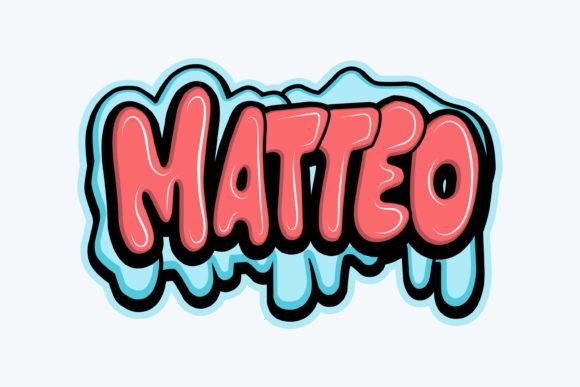
As a designer who’s spent years working with machine embroidery designs, I always start by asking myself: does this design feel like it was made for real use, or is it just a pretty picture? Matteo, a graffiti lettering typography art illustration, answers that question with confidence. Its raw energy and modern edge make it a strong candidate for custom apparel, but its performance in real embroidery situations needs careful consideration.
The First Impression: Raw Energy Meets Clean Design
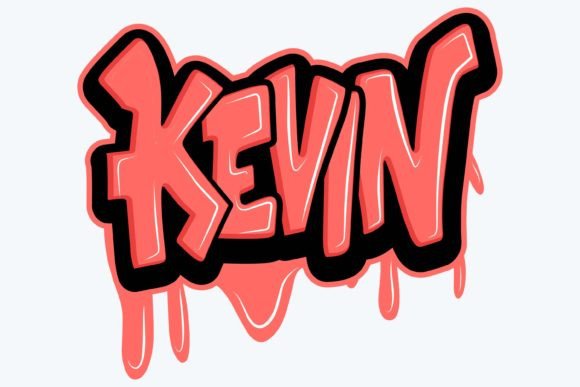
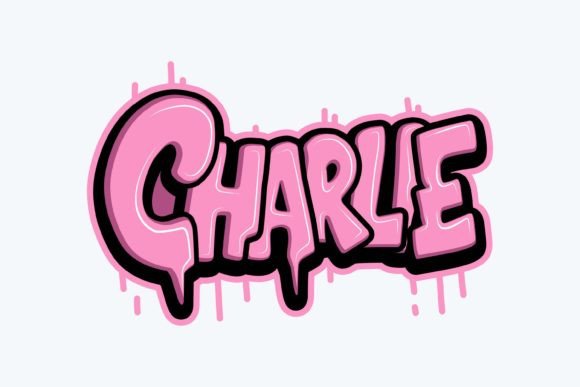
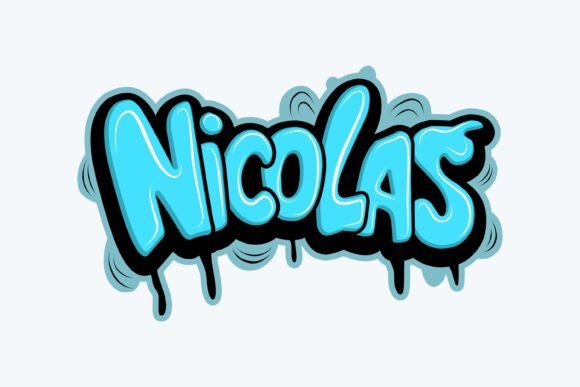
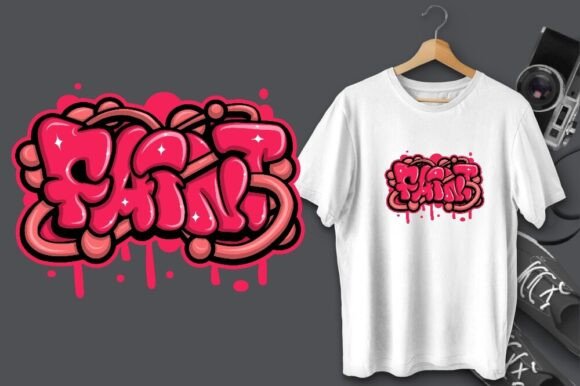
Matteo immediately grabs attention with its bold, graffiti-inspired lettering. The shapes are clean yet edgy, and the layout feels intentional without being too busy. It has a streetwear vibe that could work well on t-shirts, sweatshirts, or even baby onesies. The visual personality is confident—perfect for a brand looking to make a statement or for someone wanting to add a touch of urban flair to their handmade products.
The detail level is high enough to stand out in an embroidery project, but not so intricate that it becomes overwhelming. This makes Matteo ideal for projects where the design needs to be visible from a distance, like tote bags or aprons. However, the complexity might require some adjustment when working with smaller hoop sizes or delicate fabrics.
Real-Life Use: Where Matteo Shines
When I think about using Matteo in an actual embroidery project, the first scenario that comes to mind is a custom embroidered tote bag. The design’s size and shape fit well on a standard 4x4 hoop, making it easy to stitch onto cotton or canvas. It would look great on a plain white tote, especially if paired with a contrasting thread color. The graffiti style adds a unique touch that could elevate a small business product or a personalized gift.
Matteo also works well as a sweatshirt embroidery design. Its bold lines and limited color palette make it adaptable to different fabric types, including thicker materials like fleece or denim. For a craft fair booth or Etsy shop, this design could serve as a strong visual anchor, drawing attention and offering a clear sense of style.
On baby items, like onesies or blankets, Matteo could be used with caution. While the design is visually striking, it may not be the best choice for something that needs to be soft and gentle. A simpler design might be more appropriate for infant wear, but for older children or teen-oriented products, Matteo could be a hit.
Where to Be Careful: Limitations and Considerations
Despite its strengths, Matteo isn’t a one-size-fits-all design. When working with small hoop sizes, such as 3x3 or 3x5, the details might get lost. This could be an issue for caps or hats, where the design area is limited. If you’re planning to use Matteo on a cap, consider simplifying the design or adjusting the scale to ensure clarity.
Textured fabrics, thin materials, or stretchy garments can also pose challenges. The design’s density might cause puckering or distortion if not stabilized properly. Using the right stabilizer is crucial, especially for delicate fabrics like silk or knits. Additionally, dark fabrics might require a lighter thread color to ensure visibility, which could affect the overall aesthetic.
For commercial embroidery projects, it’s important to test the design thoroughly. Matteo’s high detail level means that stitch density will need to be carefully managed to prevent the design from becoming too stiff or losing its shape. This is particularly important for applique designs or those that require multiple layers of stitching.
Impact on Visual Appeal and Customer Perception
Matteo has the potential to significantly boost the visual appeal of any finished product. Its graffiti style is eye-catching and can help differentiate a handmade item from mass-produced alternatives. For an Etsy seller or small shop owner, this kind of design can increase buyer engagement and create a stronger brand identity.
However, the success of Matteo depends on how well it’s executed. Poorly stitched details or incorrect thread colors can make the design look unprofessional. As a designer, I always recommend testing the design on scrap fabric before committing to a final product. This helps identify any issues with stitch density, stabilization, or color contrast.
When used correctly, Matteo can enhance the value of a handmade product. It adds a layer of uniqueness that customers often appreciate, especially for personalized gifts or custom apparel. But it’s important to remember that not all customers will respond the same way. Some may find the graffiti style too bold, while others may love its rebellious energy.
Practical Designer Notes: Things to Keep in Mind
Before using Matteo in your next embroidery project, here are a few key points to consider:
- Test on scrap fabric: Always check how the design looks on the actual material you plan to use.
- Check thread color contrast: Ensure the thread color complements the fabric and enhances the design’s visibility.
- Review stitch density: Adjust the density to match the fabric type and avoid puckering or stiffness.
- Confirm hoop size: Make sure the design fits within your embroidery machine’s hoop limitations.
- Inspect small details: Pay attention to corners and fine lines that may require additional stabilization.
- Test black and white mockups: See how the design looks in different lighting conditions and backgrounds.
- Compare light and dark fabric: Ensure the design remains legible on both types of material.
- Use proper stabilizer: Stabilize delicate or stretchy fabrics to prevent distortion.
- Check licensing: Confirm whether the design is suitable for commercial use before selling finished items or digital products.
Matteo is a versatile design that can work well in a variety of embroidery projects, especially those that benefit from a bold, artistic touch. Whether you're creating custom apparel, personalized gifts, or small shop merchandise, this design has the potential to add value and uniqueness to your work. Just remember to approach it with care and attention to detail, and you’ll be rewarded with a professional, eye-catching result.