Judah Embroidery Design Review
First Impressions of Judah
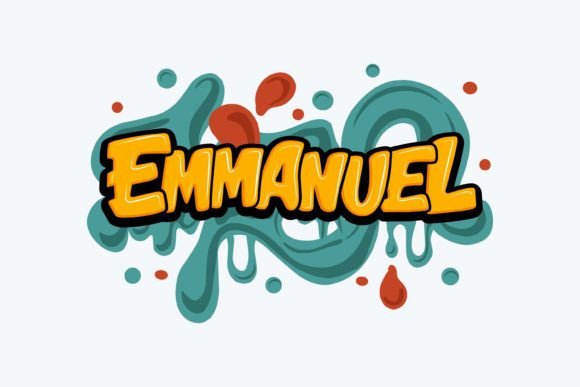
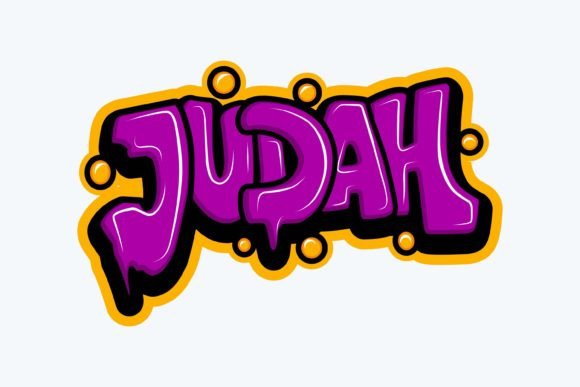
From the moment I laid eyes on Judah, it felt like a bold statement waiting to be stitched. The graffiti lettering typography art illustration has a raw, edgy vibe that immediately suggests urban flair, streetwear, or something with a strong visual identity. The design’s layout is dynamic, with a mix of thick and thin strokes that give it a sense of movement and energy. It’s not subtle, but that’s part of its charm.
The level of detail in Judah is impressive. It’s clear that the artist paid attention to the nuances of each letter, from the sharp angles to the subtle curves. This makes it ideal for projects where visual impact matters—like custom apparel, tote bags, or even baby items that need a unique touch. But it also means that the design isn’t for every project. It needs the right context to shine.
Real-World Embroidery Use Cases
When I think about where Judah would fit best, it’s in high-visibility areas where the design can make an impression. A sweatshirt with a large, centered Judah logo would stand out in a crowd. Similarly, a tote bag design featuring this artwork could become a conversation starter at the grocery store or a local market.
For small business owners and Etsy sellers, Judah could be a great addition to a line of handmade products. It works well as an embroidered patch, a cap design, or even a pillow cover. Its vector format ensures scalability, so it looks sharp whether it’s stitched onto a baby onesie or a large banner.
But there are limitations. On smaller hoop sizes, some of the finer details might get lost. Thin or stretchy fabrics could also pose challenges, especially if the design requires dense stitching. For those reasons, testing on scrap fabric first is essential.
Where Judah Shines and Where It Needs Care
Judah excels in projects that allow it to take center stage. It’s perfect for custom apparel, especially when paired with neutral-colored garments. The contrast between the design and the fabric can make the embroidery pop, which is great for both aesthetic appeal and brand recognition.
However, there are situations where caution is needed. If you’re planning to use it on dark fabrics, you’ll want to ensure the thread color contrasts well. On textured or stretchy materials, the design might not sit as smoothly, and stabilizer use becomes critical. Tiny lettering or intricate corners could be problematic if the hoop size isn’t adequate.
For commercial embroidery projects, Judah’s versatility is a big plus. It can work as a standalone design or be incorporated into a larger composition. But if you're using it for holiday gifts or personalized items, make sure it aligns with the intended message and audience.
Impact on Visual Appeal and Customer Perception
When it comes to visual appeal, Judah delivers. Its bold style and clean lines make it instantly recognizable. That’s important for handmade products and boutique merchandise, where branding and consistency matter. A well-executed embroidery project featuring Judah can elevate the perceived value of a finished product, making it more appealing to buyers.
Customer trust is another factor. When someone sees a professionally stitched design like Judah, they’re more likely to believe in the quality of the product. This is especially true for craft fairs, Etsy listings, and online stores where visuals play a huge role in decision-making.
For creative entrepreneurs, Judah can be a powerful tool in building a cohesive brand identity. Whether it’s used on a t-shirt, a cap, or a printable mockup, it adds a layer of professionalism that sets the product apart from generic options.
Practical Tips for Embroidery Designers
If you’re planning to use Judah in your next project, here are a few things to keep in mind:
- Test on scrap fabric before committing to a full project. This helps identify any issues with stitch density or placement.
- Check thread color contrast against the fabric. Dark designs on light backgrounds or vice versa can dramatically change the look.
- Review stitch density to avoid puckering or distortion, especially on delicate fabrics.
- Confirm hoop size requirements. Some details may not translate well if the hoop is too small.
- Inspect small details like corners and lettering to ensure they remain sharp after stitching.
- Use proper stabilizer for stretchy or textured materials to maintain design integrity.
- Compare light and dark fabric backgrounds to see how the design adapts.
Also, make sure to check licensing terms before selling finished items or digital products. Even though Judah is compatible with Adobe Illustrator and comes in multiple file formats, the rights to use it commercially should be clearly understood.
Final Thoughts on Judah
Judah is a strong, versatile embroidery design that can add personality and style to a wide range of projects. Its graffiti-inspired look makes it ideal for urban-themed apparel, handmade gifts, and boutique merchandise. However, it’s not a one-size-fits-all solution.
For embroidery designers and small business owners, Judah offers a fresh, modern option that can help differentiate their work. With careful consideration of fabric type, hoop size, and thread color, it can be a valuable asset in both personal and commercial projects.
Whether you’re creating a custom tote bag, a sweatshirt design, or a personalized gift, Judah has the potential to make a lasting impression. Just remember to test it thoroughly and use it where it will truly shine.