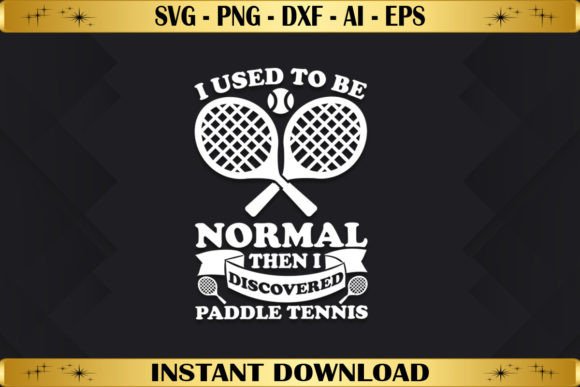
I Used to Be Normal then I Discovered
As an embroidery designer and product reviewer, I’ve seen my fair share of designs—some that shine, others that fall flat. I Used to Be Normal then I Discovered stands out as a unique piece that blends whimsy with practicality. Its design is both eye-catching and versatile, making it a solid choice for a range of projects. But like any good design, it requires thoughtful application to truly shine.
The First Impression: A Design That Speaks Volumes
From the moment I laid eyes on I Used to Be Normal then I Discovered, I felt its playful yet meaningful vibe. The layout is clean and intentional, with a strong visual hierarchy that makes it easy to read and understand. The theme is lighthearted but not overly silly, which gives it broad appeal. It’s the kind of design that could work on a t-shirt, a tote bag, or even a baby onesie—each use bringing out different aspects of its personality.
The detail level is moderate, with enough texture to make it interesting without being overwhelming. This makes it ideal for machine embroidery, where too much complexity can lead to stitching issues. The shape is well-balanced, allowing it to fit naturally on a variety of garments and items without looking cramped or stretched.
Real-Life Embroidery Scenarios: Where It Thrives
I Used to Be Normal then I Discovered works best on custom apparel, especially t-shirts and sweatshirts. Its simplicity allows it to stand out without competing with the fabric or other design elements. For small business owners and Etsy sellers, this design could be a great addition to a line of personalized gifts or boutique merchandise.
It also has potential in holiday and wedding gift projects. Imagine it on a pillow cover or a tea towel—something that feels personal and meaningful. As an applique design, it could add a layer of texture and depth to a patch or a hat. The design’s clarity makes it suitable for both hand and machine embroidery, though the latter would yield the most consistent results.
For crafters and handmade shop owners, I Used to Be Normal then I Discovered offers a fresh angle on storytelling through design. It’s perfect for creating a narrative around a product, whether it’s a custom apron or a personalized gift for a friend.
Where to Use It Carefully: Practical Considerations
While I Used to Be Normal then I Discovered is generally versatile, there are a few situations where it might not perform as well. On small hoop sizes, the design could feel cramped, especially if the text is detailed. Similarly, on textured or stretchy fabrics, the stitches may not sit as smoothly as they would on a smooth, stable material.
Thin or dark fabrics can also pose challenges. If the thread color doesn’t contrast well with the background, the design might get lost. In such cases, using a stabilizer can help maintain stitch integrity and visibility. For layered garments or curved surfaces like caps, careful placement is key to ensure the design looks balanced and professional.
Dense stitch areas or intricate corners could lead to puckering or distortion, so it’s important to test the design on scrap fabric before committing to a final project. Tiny lettering might not hold up well on certain materials, so consider scaling the design if needed.
Impact on Visual Appeal and Customer Perception
I Used to Be Normal then I Discovered adds a sense of creativity and individuality to any project it’s used on. Its clear lines and bold message make it instantly recognizable, which is great for brand consistency and customer recognition. When used on a handmade product or a personalized gift, it can elevate the perceived value and make the item feel more special.
From a commercial perspective, this design could be a strong asset for digital product sellers and craft businesses. It’s adaptable enough to fit into a wide range of products, from printable mockups to finished items. However, it’s important to ensure that the design aligns with the overall aesthetic of the brand or product line.
For buyers, a well-executed embroidery project featuring I Used to Be Normal then I Discovered can foster trust and engagement. It shows attention to detail and a commitment to quality, which are essential for building a loyal customer base.
Practical Designer Notes: Tips for Success
Before using I Used to Be Normal then I Discovered in a real project, I recommend testing it on scrap fabric. This will help you gauge how the stitches look on your specific material and adjust settings if needed. Checking thread color contrast is also crucial—make sure the design stands out against the fabric without clashing.
Review the stitch density to ensure it’s appropriate for the project. Too dense, and the fabric may pucker; too light, and the design may not hold up over time. Confirm the hoop size required for the design, as this can affect how the embroidery is applied, especially on curved or irregular surfaces.
Inspect small details closely, particularly if the design includes fine lines or delicate elements. Testing the design in black and white mockups can help you see how it translates without color, which is useful for print-ready files. Comparing it on light and dark fabric backgrounds can also reveal any hidden issues.
Using the right stabilizer is essential for maintaining the integrity of the design, especially on delicate or stretchy fabrics. Make sure the design is suitable for both personal and commercial use, and always check licensing terms before selling finished items or digital products.
Final Thoughts: A Design Worth Exploring
I Used to Be Normal then I Discovered is a design that balances creativity with practicality. It has the potential to enhance a wide range of embroidery projects, from custom apparel to personalized gifts. While it requires careful consideration in certain applications, its versatility and visual appeal make it a valuable addition to any designer’s toolkit.
Whether you’re an Etsy seller, a small shop owner, or a creative entrepreneur, this design offers a fresh perspective on how to tell a story through embroidery. With the right approach, it can become a standout element in your product lineup, helping you connect with customers and express your unique style.