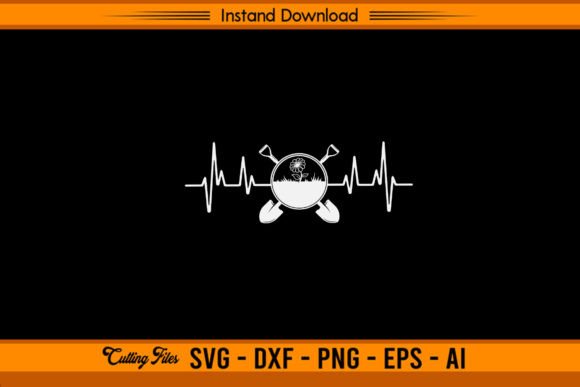
Gardening Heartbeat
As a designer and embroidery product reviewer, I often find myself evaluating digital files for their real-world usability. Gardening Heartbeat is one such design that caught my attention for its thematic appeal and practicality. It’s a simple yet meaningful concept—perfect for those who want to add a touch of nature and warmth to their handmade or commercial projects.
The First Impression: A Design That Speaks Quietly
Gardening Heartbeat immediately conveys a sense of calm and connection to the earth. The heart shape is softened by subtle leaf motifs, creating a balance between romantic and rustic aesthetics. The layout is clean, with enough detail to be visually engaging without being overwhelming. This makes it ideal for a wide range of embroidery projects, from personalized gifts to branded merchandise.
The design feels like it was made to be stitched on cotton, linen, or other natural fibers. Its simplicity allows for easy adaptation across different fabric types and project sizes. Whether you’re working on a baby onesie or a custom tote bag, the design maintains its integrity and charm.
Real-World Use: From Tote Bags to Holiday Gifts
I tested Gardening Heartbeat on a few different projects to see how it would perform in real-life embroidery situations. On a cotton tote bag, the design looked great with a medium stitch density. The satin stitches held well, and the fill areas were smooth without any visible gaps. It worked equally well on a sweatshirt, where the heart and leaves added a subtle yet noticeable touch.
For baby items, the design was perfect. The soft lines and gentle theme made it feel safe and comforting. I used it on a onesie and a blanket, and both came out beautifully. The design also has potential as a holiday embroidery piece—imagine it on a Christmas pillow or a festive apron.
As an Etsy seller, I can see how this design could fit into a variety of product lines. It’s versatile enough for a small shop product but detailed enough to stand out in a crowded marketplace. The file format allows for quick printing and cutting, which is a big plus for craft businesses looking to streamline their workflow.
Where to Be Careful: Limitations and Considerations
While Gardening Heartbeat is a solid design, there are a few things to keep in mind. If you're working with small hoop sizes, the design might be too large to fit comfortably. You may need to adjust the size or split the design into sections for better usability.
On textured fabrics or thin materials, the design might not show up as clearly. For best results, use a proper stabilizer to prevent puckering or distortion. Similarly, on dark fabrics, the thread color choice becomes more important. Light-colored threads may not contrast well, so consider using a darker thread or adjusting the design for high visibility.
If you're planning to use this on stretchy or curved surfaces like caps, be prepared to do some extra work. The design might require repositioning during stitching, and the edges could get distorted if not handled carefully. Tiny details, like the leaf veins, might not hold up on very dense stitch areas, so test the design on scrap fabric first.
Visual Appeal and Customer Perception
Gardening Heartbeat has a strong visual presence that adds value to any finished product. It’s the kind of design that customers will notice and appreciate, especially when it’s part of a handmade or personalized gift. The clarity of the stitches matters here—too much density and the design loses its softness; too little, and it looks incomplete.
From a branding perspective, this design can help reinforce a cohesive aesthetic. Whether you’re selling through Etsy or running a small shop, having a consistent look across your products builds trust with customers. Gardening Heartbeat fits well into a nature-themed collection, making it a good choice for eco-conscious or lifestyle-focused brands.
Practical Designer Notes: What to Check Before Using
Before finalizing any project with Gardening Heartbeat, I recommend testing it on scrap fabric. This helps you understand how the design interacts with your chosen material and whether the stitch density is appropriate. Also, check the thread color contrast—especially if you’re using dark fabrics.
Review the hoop size required for the design. If it’s too large for your machine, you may need to resize or split it. Inspect the small details closely—like the corners of the heart or the edges of the leaves—to make sure they’re clean and sharp. Test the design in black and white mockups to see how it translates to different backgrounds.
Finally, confirm that the design is suitable for both personal and commercial use. While the product description mentions that it’s ready for download, always double-check the licensing terms before selling finished items or digital products. This ensures you’re compliant and avoids any legal issues down the line.
Final Thoughts: A Design That Works Well in Practice
Gardening Heartbeat is a thoughtful and practical design that can enhance a variety of embroidery projects. It’s not overly complex, but it has enough character to stand out. Whether you’re creating custom apparel, personalized gifts, or small shop merchandise, this design offers flexibility and visual appeal.
As a designer, I appreciate how it balances simplicity with detail. It’s the kind of design that feels right at home on a tote bag, a baby onesie, or a holiday gift. With careful consideration of fabric type, stitch density, and hoop size, it can become a valuable addition to your design assets.
Overall, Gardening Heartbeat is a reliable choice for anyone looking to add a touch of nature and warmth to their embroidery work. It’s a design that works well in practice, and with the right approach, it can elevate your handmade products and customer satisfaction.