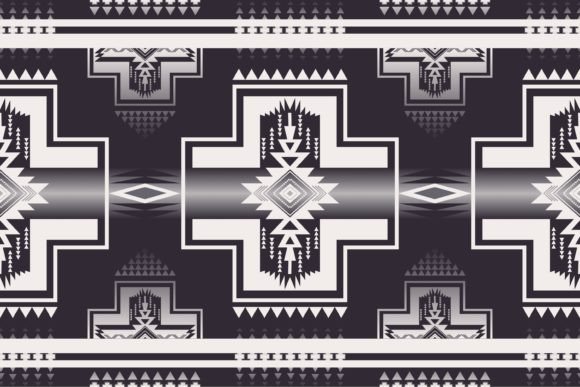
Black and White Native American Pattern
As an embroidery designer with years of experience, I’ve seen my fair share of patterns—some that elevate a project, others that fall flat. The Black and White Native American Pattern is one that demands attention, not just for its aesthetic but for how it translates into real-world embroidery projects.
The First Impression: A Bold Statement in Monochrome
The Black and White Native American Pattern immediately evokes a sense of cultural richness and simplicity. Its clean lines and geometric shapes suggest a strong visual identity, making it ideal for projects that require a clear, impactful design. The pattern’s layout is balanced, with enough detail to be engaging without being overwhelming. It feels like a design that could stand alone or complement other elements in a larger composition.
This design is perfect for machine embroidery projects where clarity and precision matter. Whether you’re working on a custom apparel piece or a home decor item, the pattern’s structure ensures that it will hold up well under stitching. It’s not overly complex, which means it can be adapted to various fabric types and embroidery machines without too much hassle.
Real-World Embroidery Use Cases
Imagine preparing a custom embroidered tote bag for a client who wants something unique yet timeless. The Black and White Native American Pattern would work beautifully here. Its high contrast makes it visible even on light-colored fabrics, and the design’s symmetry gives it a polished look that can elevate a simple canvas bag into a statement piece.
For sweatshirt embroidery, this pattern offers a versatile option that can appeal to a wide audience. It’s suitable for both casual and more formal wear, depending on how it’s styled. Similarly, when used on baby clothes, the design adds a touch of cultural flair without being too intricate for delicate fabrics.
It also works well as an embroidered patch or applique design. The lack of color allows for flexibility in fabric choices, and the boldness of the pattern ensures it remains visible even after multiple washes. For small business owners or Etsy sellers, this pattern could be a valuable addition to their digital product library, especially if they focus on handmade products or personalized gifts.
Where to Be Cautious
While the Black and White Native American Pattern is generally easy to work with, there are certain scenarios where caution is needed. If you’re planning to use it on small hoop sizes, you may find that some details get lost or distorted. This is particularly true for areas with intricate corners or tiny elements that might not translate well at smaller scales.
Textured fabrics or thin materials can also pose challenges. The pattern’s stitch density may cause the design to look less defined on these surfaces. Similarly, stretchy fabrics can lead to distortion if not properly stabilized. Always test the design on a scrap piece of the intended fabric before committing to a full project.
When working with dark fabrics, the black elements of the pattern may not show up as clearly as they do on lighter backgrounds. Consider using contrasting thread colors or adjusting the design to ensure visibility. For layered garments or curved surfaces like caps, the pattern may need slight modifications to fit the shape without compromising its integrity.
Impact on Visual Appeal and Customer Perception
The Black and White Native American Pattern has the potential to significantly enhance the visual appeal of any embroidered product. Its strong, minimalist style can make a finished product stand out in a crowded market. For small shop products or boutique branding, this design offers a professional look that can help build trust with customers.
As a handmade product, it brings a sense of authenticity and craftsmanship. When used as a personalized gift or holiday embroidery, it adds a meaningful touch that resonates with buyers. Its versatility also makes it a great choice for commercial embroidery projects, where consistency and quality are key factors in customer satisfaction.
From a branding perspective, this pattern can serve as a consistent design element across different product lines. Whether it’s used on t-shirts, pillow covers, or sublimation prints, it maintains a cohesive look that reinforces brand identity. For digital product sellers, it’s a valuable asset that can be used in printable mockups or as part of a larger design collection.
Practical Designer Notes
Before using the Black and White Native American Pattern in your next project, take the time to test it on scrap fabric. This will help you understand how the design interacts with different materials and whether any adjustments are needed. Pay close attention to the stitch density—too much can cause the design to look cluttered, while too little may result in a weak appearance.
Check the hoop size required for the design. If you’re working with a limited hoop space, consider resizing or simplifying parts of the pattern to ensure it fits comfortably. Also, review the thread color contrast, especially if you plan to use the design on dark fabrics. A proper stabilizer is essential for maintaining the integrity of the stitches, particularly on delicate or stretchy materials.
Finally, always confirm the licensing terms before selling finished items or digital products. While the pattern is described as suitable for sublimation prints and home decoration, specific usage rights may vary depending on the source. Make sure you’re clear on what you can and cannot do with the design to avoid any legal issues down the line.
Conclusion: A Versatile Design for Creative Entrepreneurs
The Black and White Native American Pattern is more than just a graphic—it’s a tool that can be adapted to a wide range of embroidery projects. Whether you’re an experienced designer, a small business owner, or a hobbyist, this pattern offers practical value and creative potential. With careful consideration and testing, it can become a staple in your design arsenal, helping you create beautiful, functional, and marketable products.